

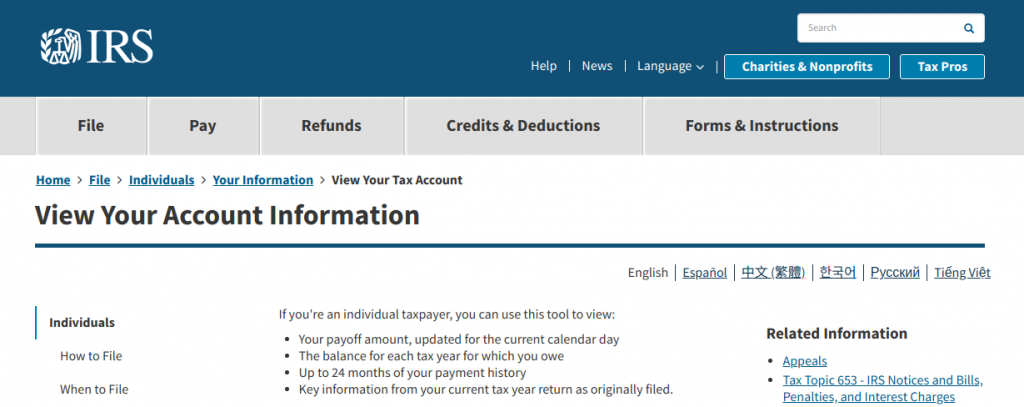
eftps.gov or irs.gov/payments.
Every employer in the United States that pays wages to employees is legally obligated to withhold federal income tax, employee Social Security, and employee Medicare taxes (FICA), contribute matching employer payroll taxes, and remit these funds electronically through EFTPS (Electronic Federal Tax Payment System).
Federal law strictly mandates electronic deposits for all employment taxes. Paper tax deposit coupons (Form 8109) have been completely eliminated. This comprehensive guide covers employer deposit schedules (Monthly vs. Semi-Weekly), enrolling your business in EFTPS, making Form 941/940 tax deposits, and avoiding catastrophic Failure-to-Deposit (FTD) penalties.
Federal Payroll Taxes & Deposit Schedules Breakdown
Employer payroll tax obligations and statutory deposit frequencies:
| Tax Type / Form | Tax Composition | Deposit Frequency Schedule |
|---|---|---|
| Form 941 (Quarterly Payroll) | Federal Withholding + FICA (6.2% Social Security + 1.45% Medicare for both employee & employer) | Monthly: 15th of following month Semi-Weekly: Wed or Fri depending on payday |
| Form 940 (Annual FUTA) | Federal Unemployment Tax (0.6% effective rate on first $7,000 wages/employee) | Quarterly deposit if accumulated tax exceeds $500; annual filing due January 31 |
| $100,000 Next-Day Rule | Accumulated tax liability ≥ $100,000 on any day | Next business day mandatory electronic deposit |
How to Enroll in and Pay Federal Taxes via EFTPS (Step-by-Step)
Step 1: Complete New Business Enrollment
- Navigate to the official portal: eftps.gov.
- Click “Enroll” and select “Business”.
- Enter your Employer Identification Number (EIN), business legal name, and business address matching your IRS records.
- Enter your business checking account routing number and account number.
- Submit your enrollment. For federal security, the IRS will send your confidential EFTPS PIN by postal mail to your registered IRS address (arrives within 5–7 business days).
Step 2: Submit a Payroll Tax Deposit
- Log into eftps.gov using your EIN, PIN, and secure internet password.
- Click “Make a Payment”.
- Select Form: “941 – Employer’s Quarterly Federal Tax Return” (or Form 940 for FUTA).
- Select Payment Type: “Federal Tax Deposit”.
- Enter the tax period (e.g., Q1, Q2, Q3, Q4 and tax year).
- Enter the exact deposit breakdown:
- Social Security & Medicare Tax
- Federal Income Tax Withheld
- Select your settlement date (must be scheduled before 8:00 PM EST on the business day prior to your due date).
- Submit and record your EFTPS Electronic Payment Acknowledgment Number (EFTPS confirmation number).
Penalties for Late Federal Tax Deposits (IRC Section 6656)
- 1 to 5 days late: 2% penalty of unpaid deposit.
- 6 to 15 days late: 5% penalty of unpaid deposit.
- More than 15 days late: 10% penalty of unpaid deposit.
- After IRS delinquency notice: 15% penalty.
- Trust Fund Recovery Penalty: Willful failure to remit withheld employee taxes can result in personal liability (100% penalty) assessed against company officers and payroll managers.
EFTPS & IRS Employer Support Directory
- EFTPS Customer Service (Toll-Free): 1-800-555-4477 (24/7/365 Automated & Live Support)
- Spanish Customer Service: 1-800-244-4829
- IRS Business Hotline: 1-800-829-4933
- Official Portals: eftps.gov | irs.gov
Frequently Asked Questions (FAQ)
Can my payroll service provider (ADP, Paychex, Gusto) pay EFTPS for me?
Yes. Third-party payroll providers use the EFTPS Batch Provider program to remit payroll taxes on your behalf. However, business owners remain legally responsible for ensuring timely deposits are completed by their service provider.
What is the cutoff time for scheduling an EFTPS payment?
To ensure payments are credited on the due date, EFTPS transactions must be submitted by 8:00 PM Eastern Standard Time at least one business day before the statutory deposit deadline.
Related Federal Tax Guides:
Disclaimer: BillPayment.guide is an independent educational portal and is not affiliated with, endorsed by, or operated by the Internal Revenue Service, EFTPS, or the U.S. Department of the Treasury. For payroll compliance, consult a certified payroll specialist or CPA.

Anisur Rahman brings over 17 years of experience at the intersection of complex technology and digital strategy to BillPayment.guide. Active in the digital space since 2009, Anisur uses his deep industry insights to break down financial technologies, secure online payment methods, and digital platforms. His actionable guides help readers navigate the fast-paced digital economy and manage their online transactions with confidence.
